



Pregnancy is a period of profound changes in a woman’s body. In addition to the more well-known symptoms, such as nausea, mood swings, or unexpected food cravings, there are other less discussed but quite common signs. One of these is dry mouth, also known as xerostomia.
Although many pregnant women may not associate this discomfort with pregnancy, dry mouth can occur in any trimester and significantly affect daily well-being.
What is Dry Mouth?
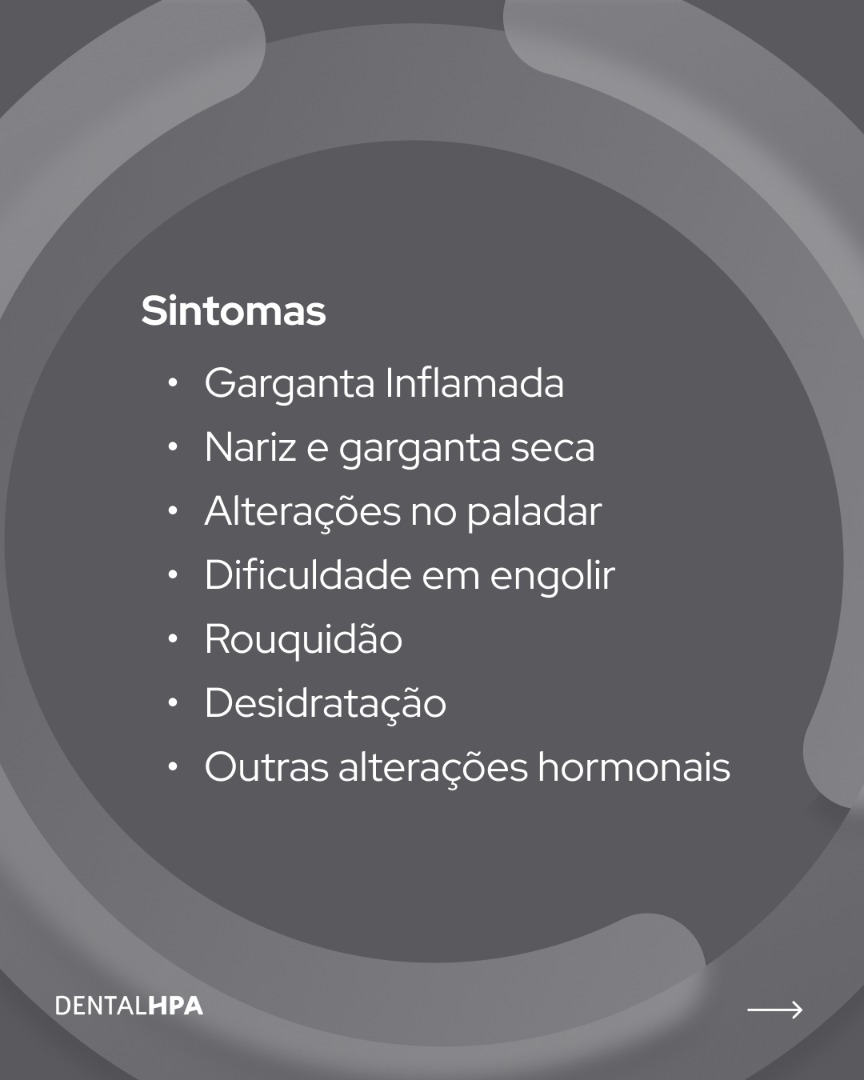
Dry mouth occurs when there is a decrease in saliva production. Saliva is essential for maintaining oral health, aiding digestion, and allowing basic functions such as speaking and swallowing. When saliva production is insufficient, various uncomfortable symptoms can arise, including:
- Sore throat
- Dry nose and throat
- Changes in taste
- Difficulty swallowing
- Hoarseness
- Dehydration
- Other hormonal changes
These symptoms can range from mild to more severe, depending on the underlying cause and the overall health of the pregnant woman.
Why is Dry Mouth Common During Pregnancy?
Several factors can contribute to this symptom during pregnancy:
- Hormonal Changes
Hormonal fluctuations typical of pregnancy can directly affect the salivary glands, reducing saliva production. These changes can also slightly narrow the upper airways, making nasal breathing more difficult. As a result, pregnant women tend to breathe more through the mouth, which increases dryness.
- Dehydration
During pregnancy, the body requires increased fluid intake to support the baby’s development, amniotic fluid production, and increased blood volume. If this need is not fully met, dehydration may occur, and dry mouth is often one of the first signs. - Sleep Problems and Mouth Breathing
It is common for pregnant women to experience difficulty falling asleep, snoring, or even episodes of sleep apnoea. These conditions promote mouth breathing at night, which significantly contributes to oral dryness upon waking.
How to Relieve Dry Mouth
Although uncomfortable, dry mouth can be alleviated with simple and safe measures:
- Drink fluids regularly, preferably at room temperature
- Avoid drinks that are too hot or too cold
- Reduce the consumption of carbonated drinks
- Choose sugar-free beverages
- Drink water during meals
- Chew sugar-free gum or suck sugar-free lozenges to stimulate saliva production
These strategies help keep the mouth hydrated and stimulate natural saliva production.
If dry mouth is persistent, severe, or accompanied by other symptoms, such as pain, mouth sores, or significant difficulty swallowing, it is important to inform your gynaecologist and dentist. Oral health during pregnancy is crucial for both the mother and the baby.
25, March 2026